Bringing the unmatched warmth of real log fires into your living room needs a solid commitment to regular safety and care steps. While smart engineering has made solid fuel appliances safer and cleaner than ever, proper use and chimney maintenance remain vital. Protecting your property and family ensures every fire brings comfort rather than worry.
Knowing how smoke gases travel up flues helps you prevent flammable creosote buildup. Practicing simple fuel rules and keeping safe clearance gaps around hot metal surfaces guarantees reliable, safe heat through every winter season.
Operating Safety Guidelines for Your Wood Burning Stove
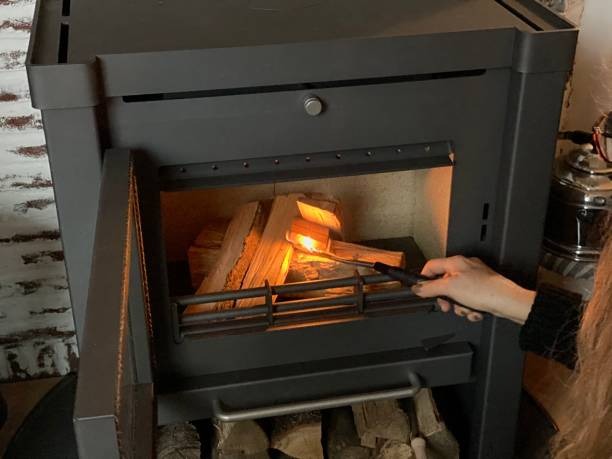
Standalone heating appliances produce serious radiant heat across every metal side. When running a high output Wood Burning Stove, keeping clear safety gaps between hot surfaces and household items is mandatory. Furniture, throw blankets, drapes, and wood stacks must sit well outside clearance boundaries.
Teaching children and family members about hot glass and metal surfaces stops accidental contact burns. Putting protective safety gates around standalone heaters gives extra peace of mind when toddlers or pets share the room. Equipping your home with smoke and carbon monoxide alarms provides total safety coverage while running fuel appliances.
Mandatory Safety Rules for Daily Operation
- Keep soft furnishings at least three feet away from hot metal sides.
- Mount metal wall shields behind units to safely shrink clearance gaps.
- Never use lighter fluid or gasoline to start indoor wood fires.
- Wear heat safe leather gloves when adding fresh logs to hot fires.

Maintaining Flue Integrity with a Fireplace Insert
For homes using built in retrofit units inside old brick chimneys, keeping exhaust flues clean is the main key to safe operation. Creosote is a flammable residue from unburned wood smoke that settles inside chimney pipes over time. If left uncleaned, thick creosote deposits create a dangerous chimney fire risk during hot burns.
Mounting a smooth stainless steel liner with your Fireplace Insert streamlines smoke flow and cuts creosote buildup drastically. Flexible steel pipes prevent cooling exhaust smoke from trapping tar inside oversized brick flues. Booking yearly professional chimney cleanings keeps your flue clear, safe, and ready for winter heating work.
Routine Appliance Maintenance Checklist
- Clean glass doors using specialized non scratching hearth sprays.
- Check door rope gaskets regularly to ensure tight seals and stop smoke leaks.
- Empty cold ashes into covered metal buckets and store them outside off wood decks.
- Book annual flue sweeps and safety checks with certified professionals.
Safe Outdoor Heating and Cooking Environments
Safety rules matter just as much when enjoying outdoor fire tables, radiant posts, and built in barbecue setups. Place outdoor heat gear on flat, non burning ground away from low hanging trees or wooden roof edges. Never leave outdoor flames burning unattended while hosting family events.
Equipping your outdoor cooking space with long stainless steel tools and heat safe mitts keeps cooks safe during meal prep. Weather covers keep outdoor gear clean and free from leaves or pests between uses. Practicing consistent safety habits ensures worry free relaxation outdoors.
Conclusion
Enjoying authentic wood fires at home is safe and deeply rewarding when you follow proper care and operating rules. Respecting clearance gaps, burning dry seasoned wood, and keeping chimney flues clean removes dangers completely. Put safety first every day to keep your home warm, secure, and wonderfully cozy.
About the Author