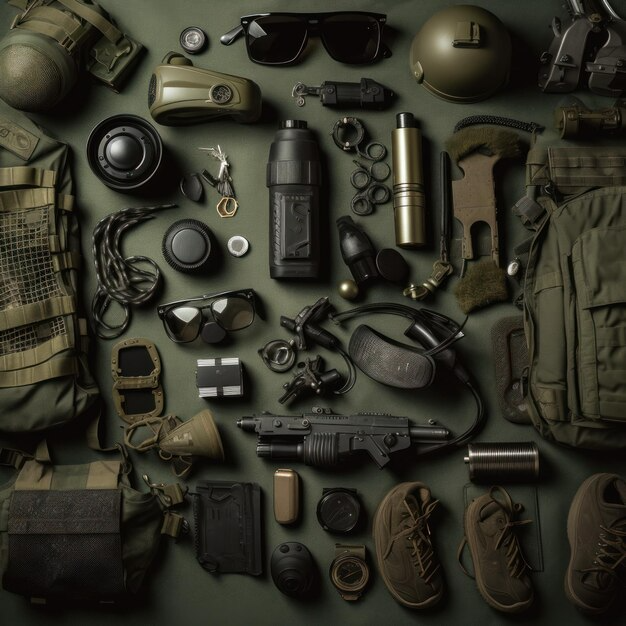
Let’s be honest, most of us build our first kit the wrong way. We wander into a store, get excited, and walk out with a bag full of stuff we barely use. A few months later, half of it is collecting dust in the garage and we’re wondering where the money went. I’ve seen it happen more times than I can count. The good news is that putting together a kit of tactical supplies doesn’t have to be complicated. Take it one step at a time, and you’ll end up with something you actually trust.

Start by Asking What It’s For
Before spending a dime, get clear on the purpose. Are you putting together a range bag for Saturday mornings? A home preparedness kit? Something for work? Each one looks completely different, and mixing them up is where most people go wrong.
Grab a notebook and jot down where you’ll carry it, how often you’ll use it, and what conditions it’ll face. If you live somewhere hot and humid like Florida, that matters a lot. Sweat, salt air, and sudden downpours are rough on gear, so you’ll want materials that can take it.
Then set a budget you feel comfortable with. It’s not the most exciting part, but it saves you from that “just one more thing” feeling every time you walk past a shelf. Decide where you’re happy to spend a bit more, like items you’ll touch every single time, and where a simpler option does the job just fine.
And be honest about your experience level. If you’re new, start with the basics. Nobody hands out medals for owning the most gear. A small kit you know inside out beats a huge one you’re still figuring out.
Get the Essentials Sorted First
Think about the things you’d miss most if they weren’t there. For most people, that starts with a solid bag or case that keeps everything protected and organized. If you’ll be spending time at a range, add good eye and ear protection. That’s not optional, and it’s one place where cutting corners really isn’t worth it.
From there, add a dependable flashlight, a proper first aid kit, and basic cleaning and maintenance supplies. None of it is glamorous, but this is the stuff that quietly does the heavy lifting. Spend a little extra on the light and the medical items, because you’ll be glad you did on the day you need them.
Here’s something people forget: owning something isn’t the same as knowing how to use it. A tourniquet you’ve never practiced with is extra weight in your bag. Take a class, watch a trusted training video, or ask someone experienced to walk you through it.
If firearms are part of your setup, follow your local laws and safe storage rules to the letter. A knowledgeable retailer or gunsmith can also help make sure your accessories fit your equipment and your body.
Add Gear That Fits Your Life
Once the foundation is in place, you can start layering on the fun stuff. Optics, holsters, slings, belts, pouches, and other accessories all live here. My advice is to add them one at a time. Use each piece for a few weeks and pay attention. Is it comfortable? Can you reach it easily? Does it make things smoother, or does it just weigh you down?
Comfort matters more than most people expect. If something digs into your shoulder or slows you down, it’ll end up in a closet no matter how good it looked online. Try things on with the clothes you actually wear, and adjust until they feel natural.
It’s also tempting to copy what you see on social media or what your favorite instructor carries. Resist that. Their needs aren’t your needs. Ask questions, listen to people who know their products, and choose tactical supplies based on how you really live and train. Over time, you’ll find that sweet spot between capable and simple.
Organize, Test, and Look After It
A kit is only reliable if you keep it that way. Start by giving everything a home. Group similar items together, use pouches or dividers, and keep the things you reach for most in easy spots. When everything has a place, you’ll notice a missing item at a glance.
Then put it to the test. Take it to the range, on a hike, or through a regular week and notice what happens. Which items do you grab all the time? Which ones never leave the bag? Fix small annoyances early, whether that means adjusting a strap, swapping a battery, or replacing something that just doesn’t feel right.
Finally, set a reminder to check everything every few months. Replace expired medical supplies, refresh batteries, clean and inspect your equipment, and look for worn stitching. Store it all somewhere cool and dry, away from direct sun. It only takes a few minutes and prevents nasty surprises.
Conclusion
Building a dependable kit isn’t about buying everything at once. It’s about knowing your purpose, covering the essentials, adding gear that fits your life, and looking after it all. When you choose quality tactical supplies at each stage, you end up with a setup that works when it counts. Take your time, lean on people who know their stuff, and enjoy the process. Your kit should feel like it was built for you, because it was.
About the Author