Every designer knows the frustration of a project that stalls at the approval stage. The client likes the idea but is not sure, asks for another round of changes, or struggles to picture the finished space. Delays like these cost time and can strain relationships. Clear visuals can change the dynamic. When clients see a realistic image of their future interior, they understand the concept more quickly and respond with more confidence. That is why many professionals use interior rendering services as part of their presentation process. This article explains how architectural interior rendering supports approvals, how to structure presentations, and how to gather useful feedback efficiently.
Why Approvals Stall
Approval problems often come from uncertainty. Clients may not understand plans, may worry about colors or materials, or may fear that the result will not match what they imagined. When doubt remains, they delay or ask for more options.
Words and sketches can only go so far. People trust what they can see clearly, and a realistic picture reduces anxiety by showing the actual intended outcome.
Time pressure makes this worse. Teams with deadlines may push for quick decisions that clients are not ready to make, which can lead to later reversals. Giving clients clear visuals early allows them to digest ideas at their own pace and reduces the temptation to revisit settled decisions.
How Interior Rendering Services Build Confidence
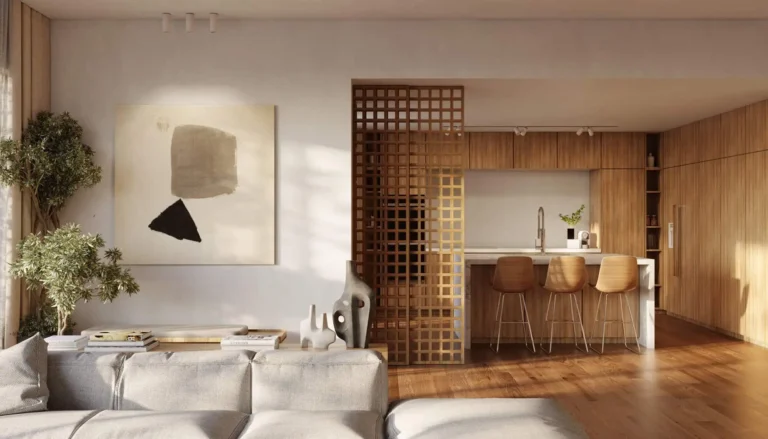
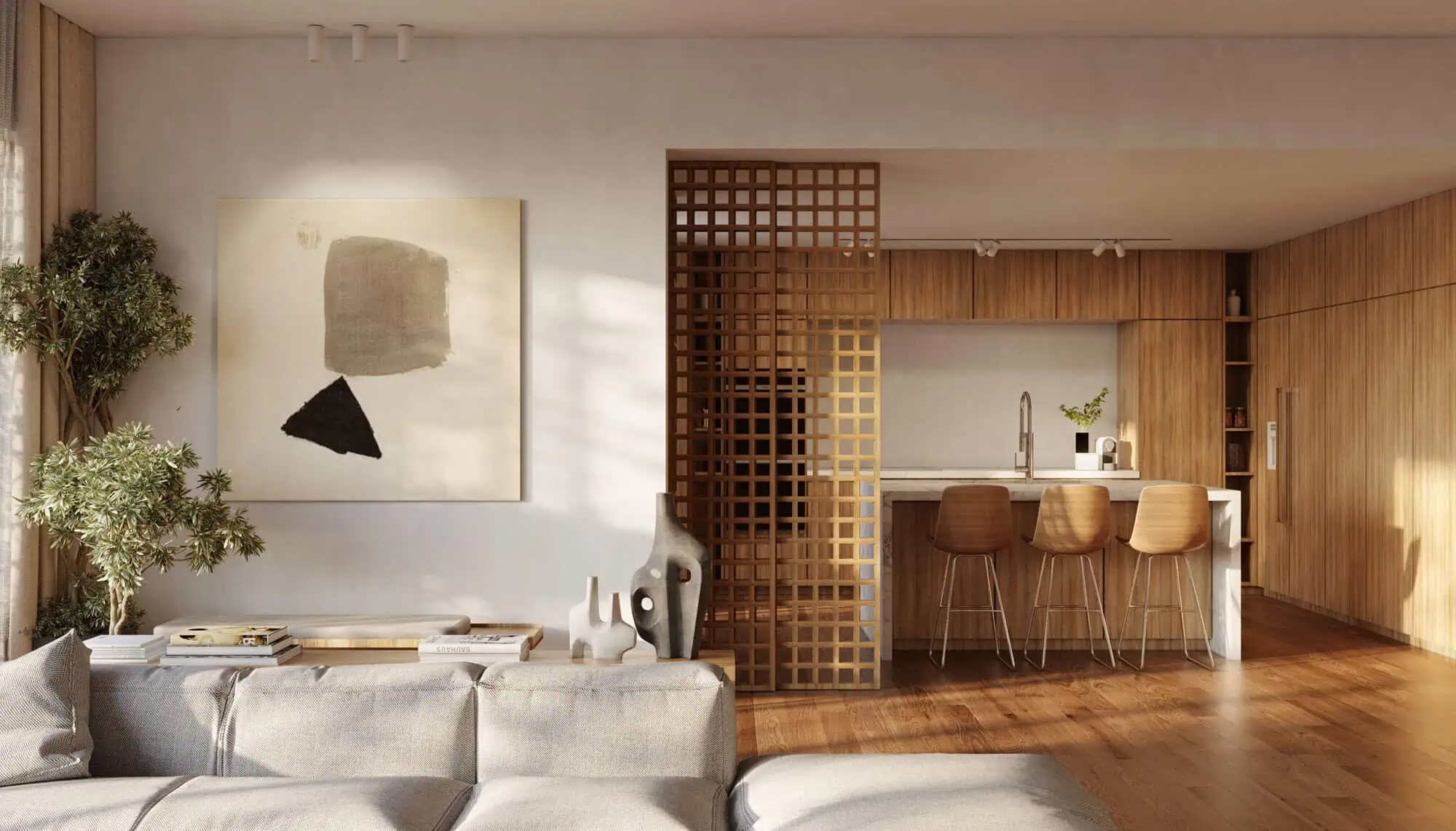
A good render lets clients see proportions, furniture layout, lighting, and finishes together. They can react to the whole picture instead of imagining the pieces separately.
This makes it easier for them to approve the design concept. Aimir CG notes that interior visualization helps interior designers and real estate professionals showcase their vision in a visually compelling way, making it easier for clients to understand and approve the design concept.
Visuals are especially useful when several people must agree, such as couples, boards, or investors. Everyone sees the same image, so discussions focus on shared facts rather than separate mental pictures, and consensus becomes easier to reach.
Consider presenting options as a simple comparison, such as two finish palettes shown on the same view. Clear alternatives help clients decide without feeling overwhelmed.
Structuring a Presentation
Start with the most important view, usually the main living or reception area, and tell a short story about how the space works. Present two or three key images rather than overwhelming the client with options.
Explain the reasoning behind choices, such as why a material was selected or how the lighting supports the mood. Then invite specific feedback.
Include context in the presentation. Showing how the room relates to adjoining spaces, or how it looks at different times of day, can answer questions before they are asked and shorten review meetings.
Managing Feedback Efficiently
Ask clients to comment on particular elements, such as wall color, furniture style, or lighting warmth, rather than giving general reactions. Consolidate comments from all decision makers before sending them to the studio.
When using interior rendering services, agree on revision rounds in advance. Because digital models are flexible, changes can often be made quickly, which supports a faster approval cycle.
As clients grow more used to visual presentations, expect them to request them as a standard part of the process.
Follow up after the presentation. Summarize decisions in writing, confirm the next steps, and note any items that remain open. Written confirmation keeps everyone aligned and turns the conversation into measurable progress.
Conclusion
Visual clarity builds trust and speeds decisions. By combining thoughtful presentation with interior rendering services, designers can help clients understand and approve concepts sooner. Strong architectural interior rendering is not just a pretty image, it is a communication tool that moves projects forward.
About the Author