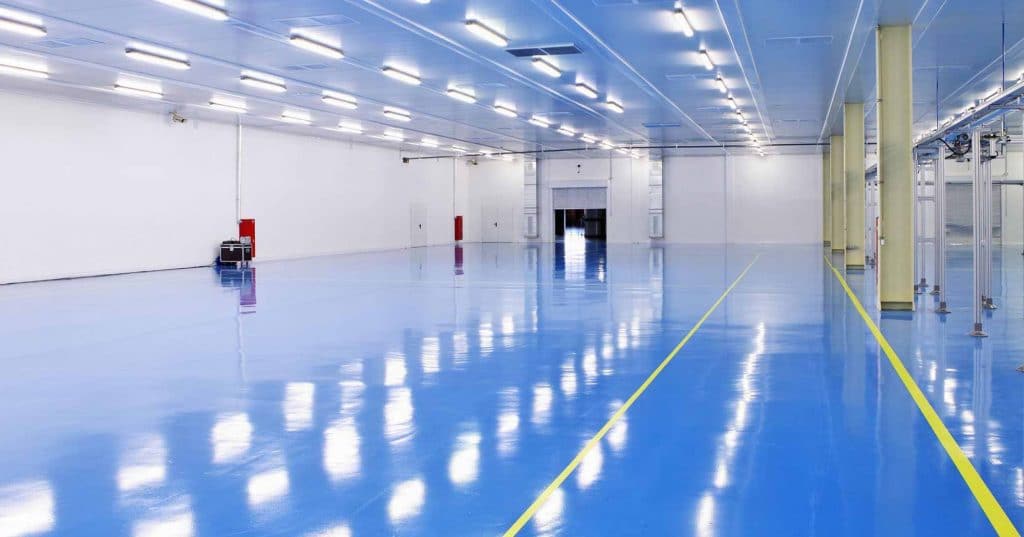
Warehouse epoxy flooring
Nobody dreams about warehouse floors. But if you’ve ever managed a facility, you know how quickly a cracked, dusty concrete floor turns into a real problem. Forklifts start bouncing around, dust gets into everything, and eventually you’re staring at repair bills that just keep piling up. That’s basically why Warehouse epoxy flooring has become such a hot topic among facility owners lately. It’s not flashy, but it solves a lot of headaches at once. Grab a coffee, and let’s talk through why this stuff is worth considering for your space.
So, What’s the Big Deal With Epoxy Flooring for Warehousing?
Here’s the thing about plain concrete: it’s tough, but it’s not indestructible. Give it a few years of heavy pallet jacks, dropped equipment, and chemical spills, and it starts falling apart. That’s where epoxy flooring for warehousing comes into play. Instead of constantly patching cracks or dealing with dust that never seems to go away, you get a smooth, sealed surface that actually holds up.
And honestly, it looks a lot better too. A shiny, uniform floor just feels more professional when clients or inspectors walk through. It’s a small thing, but it makes a difference.
Why People Keep Switching to This Stuff
There’s no single reason people love epoxy floors; it’s really a combination of things working together. You get better durability, easier cleaning, and a surface that shrugs off oil and chemical spills instead of soaking them in. Honestly, once maintenance teams try it, most of them don’t want to go back to bare concrete.
- Better traction underfoot, brighter warehouse lighting thanks to the reflective finish, less dust floating around, and way fewer cracks to patch every year.
That one list pretty much sums up why so many warehouses have made the switch. But let’s slow down on a couple of these points because they matter more than people realize. The lighting thing, for example, isn’t just a nice bonus. A reflective floor bounces light back up into the space, so some facilities actually cut down on how many overhead lights they need running. That’s real savings over time, not just a cosmetic perk.
Safety Matters More Than People Think
Nobody wants an accident on their watch, and floors are honestly one of the most overlooked safety factors in a warehouse. Wet spots, oil residue, uneven patches- all of that adds up to a slip hazard waiting to happen. Good epoxy systems come with slip-resistant textures built right in, so you’re not stuck choosing between a floor that looks nice and one that keeps people safe.
There’s also the visual side of safety. A lot of warehouses use colored epoxy strips to mark walkways or flag hazardous zones. It sounds simple, but clear visual cues genuinely help workers move through the space without second-guessing where they’re allowed to walk or drive equipment.
Picking the Right System for Your Space
Every warehouse is different, so it makes sense that not every epoxy system fits every situation. Before committing to anything, it helps to think through a few things: how much foot and vehicle traffic you’re dealing with, whether you’re around moisture or chemicals often, and how fast you need the job done. Some coatings cure quickly, which is great if you can’t afford to shut down operations for long. Others are built for maximum chemical resistance, which matters more if you’re handling industrial materials daily.
Talking to someone who actually installs these systems for a living is usually worth it. They’ll walk your space, ask the right questions, and steer you toward something that fits your actual day-to-day rather than just selling you the most expensive option.
Let’s Talk Cost, Because It Matters
Nobody likes surprise expenses, so let’s just get into it. Yes, there’s an upfront cost to installing epoxy properly. But compare that to the alternative: repairing cracked concrete every year, dealing with dust contamination, replacing damaged sections, and it starts to look like a pretty smart trade-off. Most well-installed systems last well over a decade, sometimes closer to twenty years with decent care, which brings the actual cost per year down quite a bit.
Maintenance is refreshingly low-key too. A broom and an occasional mop are usually all it takes to keep things looking sharp. No fancy chemicals, no complicated routines, just simple upkeep that doesn’t eat into your team’s time.
Conclusion
At the end of the day, this isn’t really about chasing a trend or making your warehouse look pretty for the sake of it. It’s about creating a space that’s safer, easier to maintain, and built to handle whatever your operations throw at it day after day. If you’re on the fence, the folks over at High Performance Systems can help walk you through what makes sense for your specific facility, no pressure, just honest guidance. A little investment now genuinely saves a lot of hassle later, and that’s the kind of decision most people don’t regret.
Frequently Asked Questions
- How long does this type of flooring usually last?
Most systems hold up well for ten to twenty years, depending on how much traffic and wear the space gets.
- Can it handle heavy forklifts and equipment?
Yep, that’s actually one of its biggest strengths. It’s built to take on constant heavy traffic without cracking.
- What about chemical spills, oil, that kind of thing?
Most industrial-grade coatings resist that stuff really well, which makes cleanup way less stressful.
- How long does installation take?
It depends on the size of your space, but a lot of jobs wrap up in just a few days, sometimes faster with rapid-cure options.
- Do I need special cleaning products for upkeep?
Not really. Regular sweeping and the occasional mop with a mild cleaner is usually more than enough.
About the Author